Minns du hur alla pratade om fenomenet “svensk döstädning” för ett par år sedan?
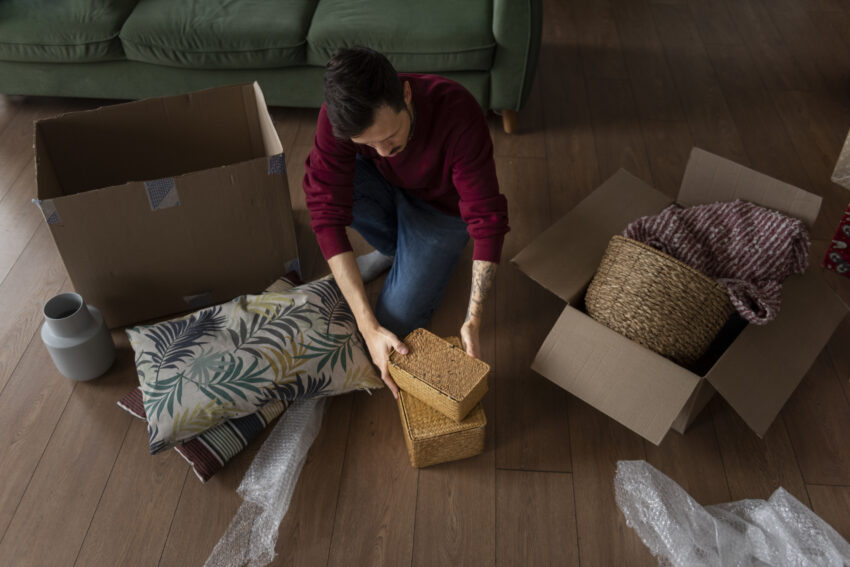
Suddenly it became a viral trend to declutter, sort, and organize your home in preparation for your own death — or simply to bring a little more order into your life.
Now that winter is slowly loosening its grip, perhaps this year’s spring cleaning could be given a little extra thought — and a deeper meaning? Let’s revive death cleaning.